
The evolution of gambling tracing its historical roots and cultural significance
Ancient Origins of Gambling
The origins of gambling can be traced back to ancient civilizations, where games of chance were intertwined with cultural practices and rituals. Archaeological evidence suggests that as early as 3000 BC, the Chinese were using rudimentary forms of dice, while the Egyptians also engaged in betting games. These early forms of gambling often held significance beyond mere entertainment, serving as a means to communicate with deities or predict the future. Today, many players seek out new casinos online real money for varied betting experiences.
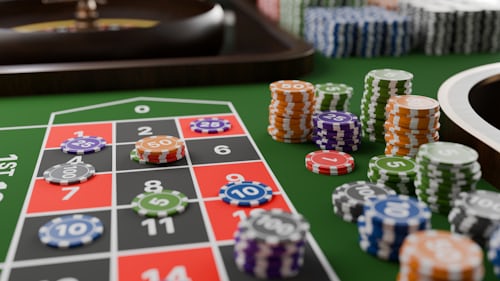
In many ancient societies, gambling was embraced as a social activity that fostered community bonds. The Romans and Greeks were particularly fond of games of chance, often incorporating them into their festivities. This early acceptance set the stage for gambling to evolve into a widely recognized practice, transcending geographical and cultural boundaries.
The Middle Ages and Gambling’s Cultural Shift
During the Middle Ages, gambling underwent significant changes, influenced by the rise of the church and social norms. While it was often frowned upon by religious authorities, games such as dice and cards became increasingly popular among nobility and the common folk alike. This era also saw the creation of gambling houses, paving the way for organized gambling establishments.
The cultural significance of gambling during this time is evident in literature and art, with many works depicting both the allure and moral dilemmas associated with games of chance. Despite its controversial status, gambling continued to thrive, reflecting the complexities of human behavior and societal values.
The Birth of Modern Gambling
The 18th and 19th centuries marked the birth of modern gambling, characterized by the establishment of formal betting houses and casinos. The advent of the lottery as a popular means of raising funds led to the legalization of various gambling activities across Europe and America. This period also saw the creation of standardized games such as poker and blackjack, which further solidified gambling’s place in popular culture.
With the growth of the industrial revolution, urbanization brought more people into cities, where gambling became a popular pastime. Social clubs and gambling parlors emerged, allowing individuals from different backgrounds to engage in games of chance. This period highlighted gambling as not only a recreational activity but also a potential source of income, further embedding it into the fabric of society.
The Digital Age and Gambling Evolution
The late 20th century witnessed the transformation of gambling with the introduction of the internet. Online casinos and sports betting platforms revolutionized the way individuals could engage in gambling, making it accessible to a broader audience. This technological advancement has led to unprecedented growth in the gambling industry, driven by the convenience of mobile and online betting.
Moreover, the digital age has introduced new forms of gambling, including fantasy sports and e-sports betting, which cater to the preferences of younger generations. As gambling continues to evolve, discussions around regulation and responsible gaming have gained importance, ensuring that this age-old pastime adapts to contemporary societal values and norms.
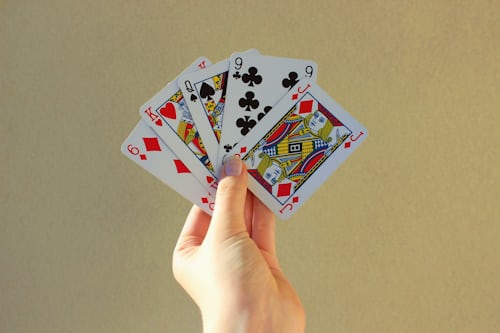
The Role of Our Website in Gambling Awareness
Our website aims to provide insights into the evolving world of gambling, focusing on its historical roots and cultural significance. We believe that understanding the history and context of gambling is crucial for responsible participation in this activity. By offering educational resources and up-to-date information, we seek to foster informed choices among gamblers.
As the gambling landscape continues to change, our commitment to promoting awareness and responsible gaming remains steadfast. We invite you to explore our content and engage with the rich history of gambling while staying informed about the latest trends and practices in the industry.

